At a glance
-
Function member: Ginny
-
Function focus: Female hormones, heart health
-
Discovery: Missing period
Baby in one arm. Blood draw in the other.
Four and a half months after having her daughter, getting out of the house for a blood draw had become complicated.
Ginny’s daughter wanted to be held constantly and wouldn’t sleep in a crib. Ginny was working from home and fitting in exercise early in the morning when she could.
So when she had the chance to try an early concierge blood draw experience through her work as a product lead at Function, she took it.
A phlebotomist came to her home. Ginny held her daughter in one arm while her blood was drawn from the other. Her daughter watched the whole process.
Having someone come to your house is a game changer. When you have a child depending on you and you don’t know what every day will look like, it makes getting the information you need so much easier.
For Ginny, staying connected to her health information mattered. She had already spent years wondering what her body was trying to tell her.
8 years without a period
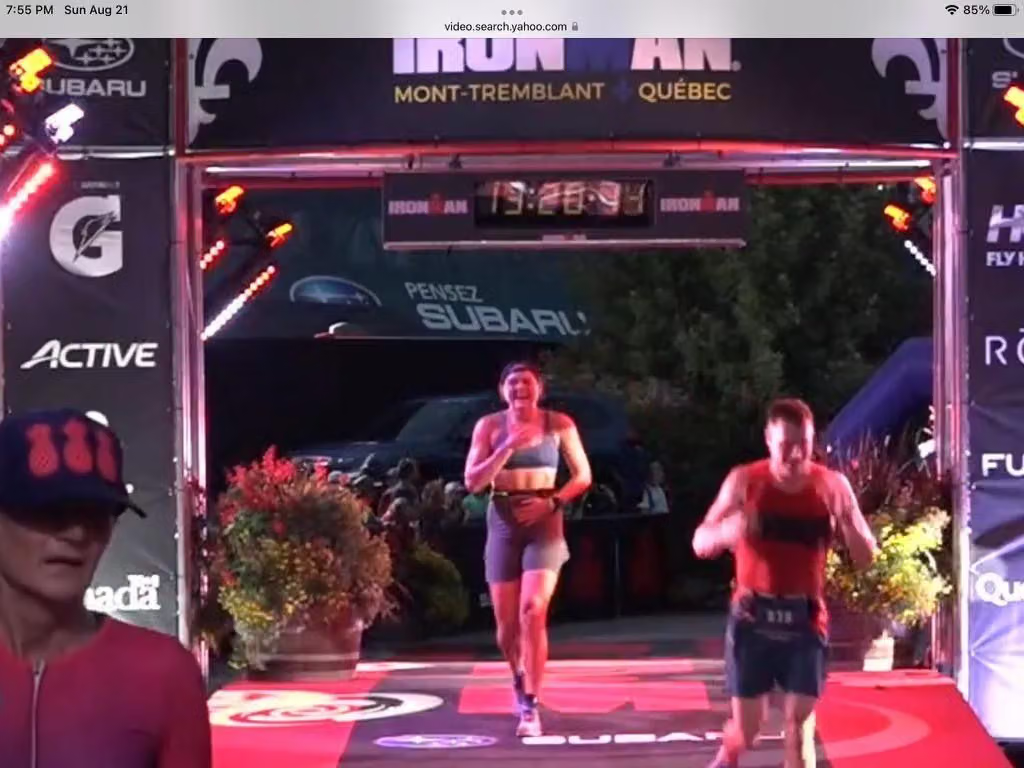
Ginny played college volleyball before becoming an endurance athlete. She trained for marathons, ran as many as 75 miles a week, and tracked her food closely.
In college, Ginny got a hormonal IUD, and her period stopped. At first, she wasn’t concerned.
But after she had the IUD removed, her cycle didn’t return.
Years passed and she developed significant digestive problems. The foods she felt comfortable eating became more and more limited. Then, 7 weeks before she was supposed to run the Boston Marathon, Ginny developed a stress fracture in her ankle.
As she learned more about what a missing period could mean for her health, she started questioning whether some of what she was experiencing might be connected.
Then another question became harder for her and her husband to ignore.
We realized we did want kids, but I didn’t know if that was going to be an option.
A possibility she wasn't ready to accept
Ginny brought her concerns to multiple doctors.
One suggested she might be entering menopause early. Another told her menopause could happen at different ages.
Ginny was 32.
Menopause before 40 is uncommon, and missing periods at that age are worth a closer look.
I had browser tabs open about genetic conditions that could cause early menopause. I was pretty convinced that was what was happening.
At the same time, she wondered whether she was underfueling.
From the outside, she looked healthy.
But she still didn’t have a period.
More information. Better questions.
After years without a period and no clear explanation, Ginny completed her first lab tests through Function.
Most of her results appeared healthy. Several heart health markers were out of range, and her results included female hormone values she wanted to better understand.
Function didn’t give Ginny one simple explanation for why her period was missing. Instead, it gave her something she would continue to use: one place to see her results and build a record of her health over time.
Ginny eventually connected with a local practitioner who considered whether the demands on her body could be playing a role.
Ginny reduced her running and worked with the practitioner on a new plan.
About a month later, her period returned.
Since she and her husband didn’t know whether the opportunity would last, they decided to try for a child right away.
Within 3 months, Ginny was pregnant.
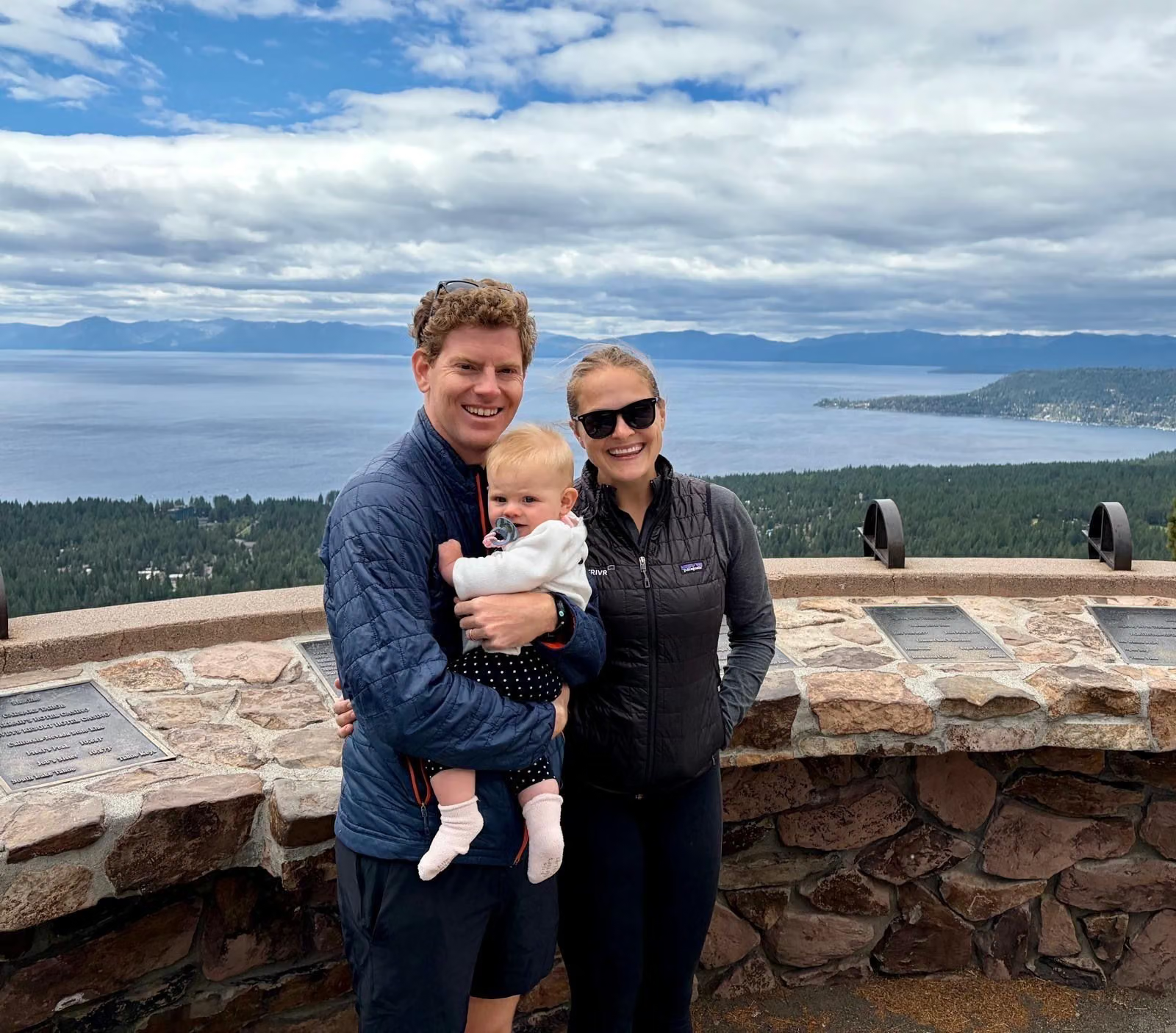
Her history in her hands
Pregnancy brought a new chapter and new health information.
Ginny completed lab testing outside of Function and brought those results into the app alongside her existing health history.
That history also became useful during doctor visits.
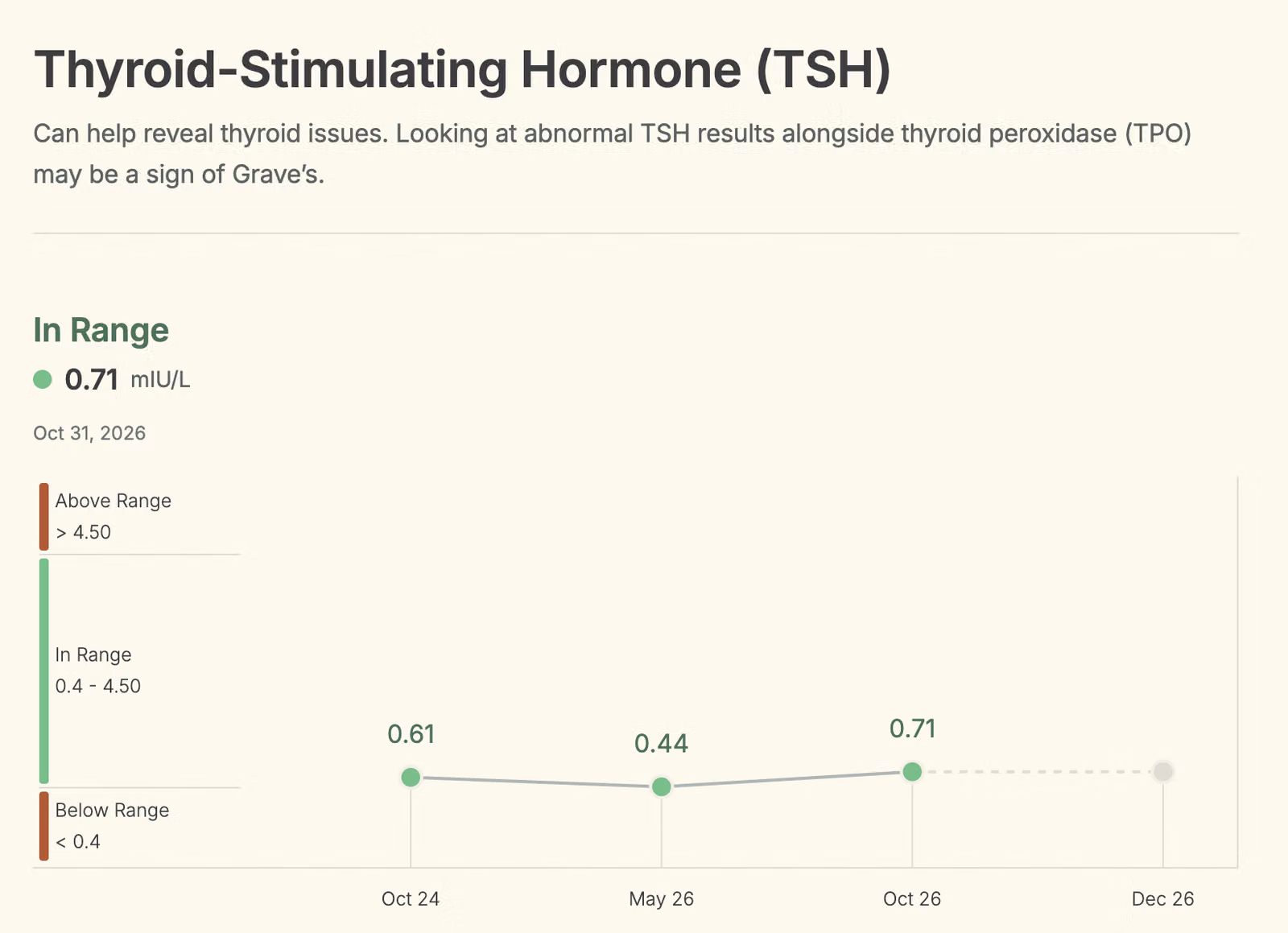
When a doctor asked whether Ginny had previously tested something like Thyroid-Stimulating Hormone (TSH) or Vitamin D, she didn’t have to rely on memory.
I have this historical record that I can pull up at the doctor’s office. I can show them what it is now or what it was earlier in my health journey.
A different kind of finish line
Today, Ginny is navigating life with her daughter while continuing to stay connected to her health.
Her story didn’t come down to one test or one result. It took time and a willingness to keep asking questions when something didn’t make sense.
For years, Ginny didn’t know whether becoming a mother would be possible.
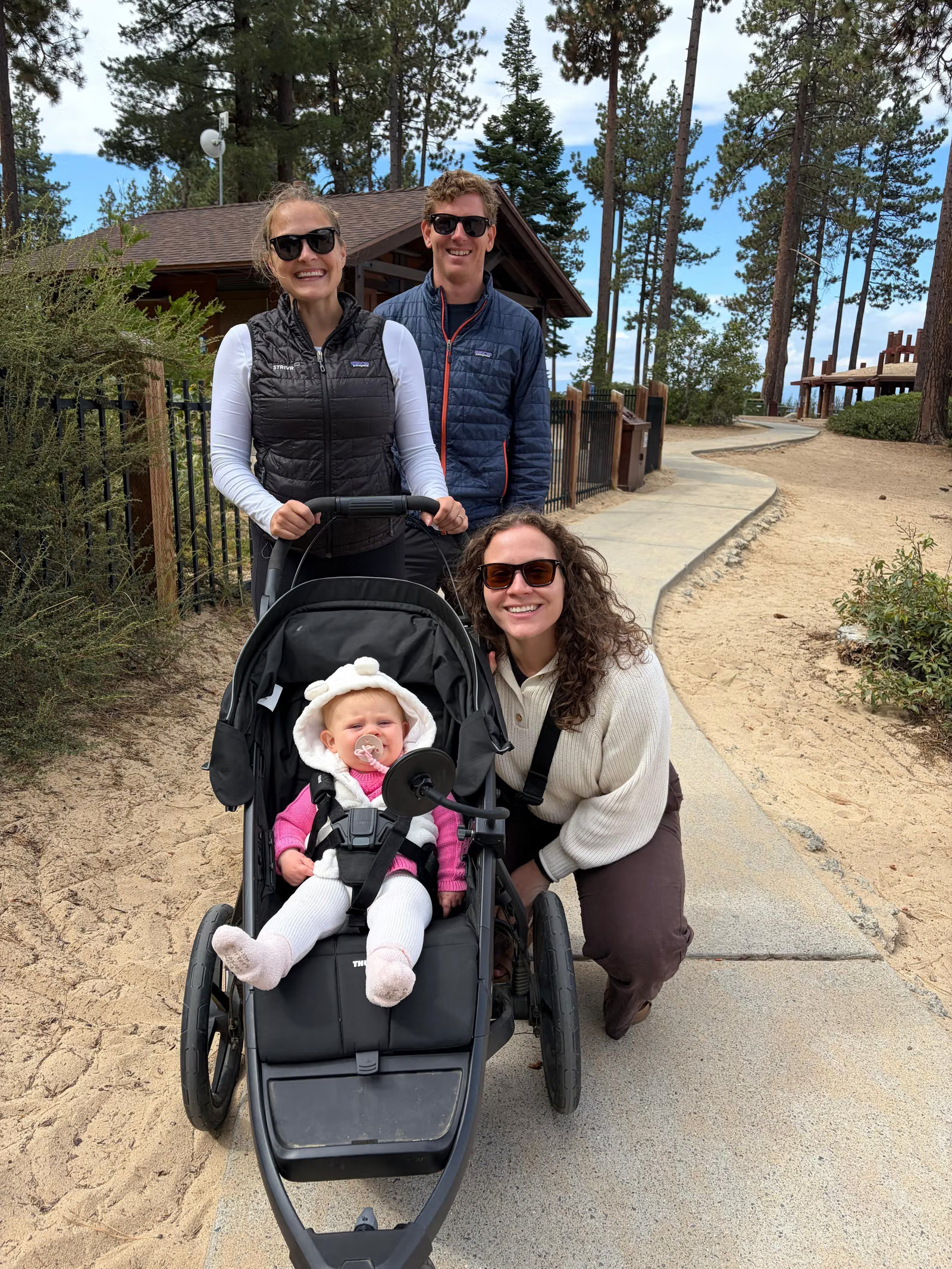
Now, some mornings, she puts her daughter in the running stroller.
And they run together.
End notes
Kapoor E. Premature Ovarian Insufficiency. Curr Opin Endocr Metab Res. 2023;28:100435. doi:10.1016/j.coemr.2023.100435