At a glance
-
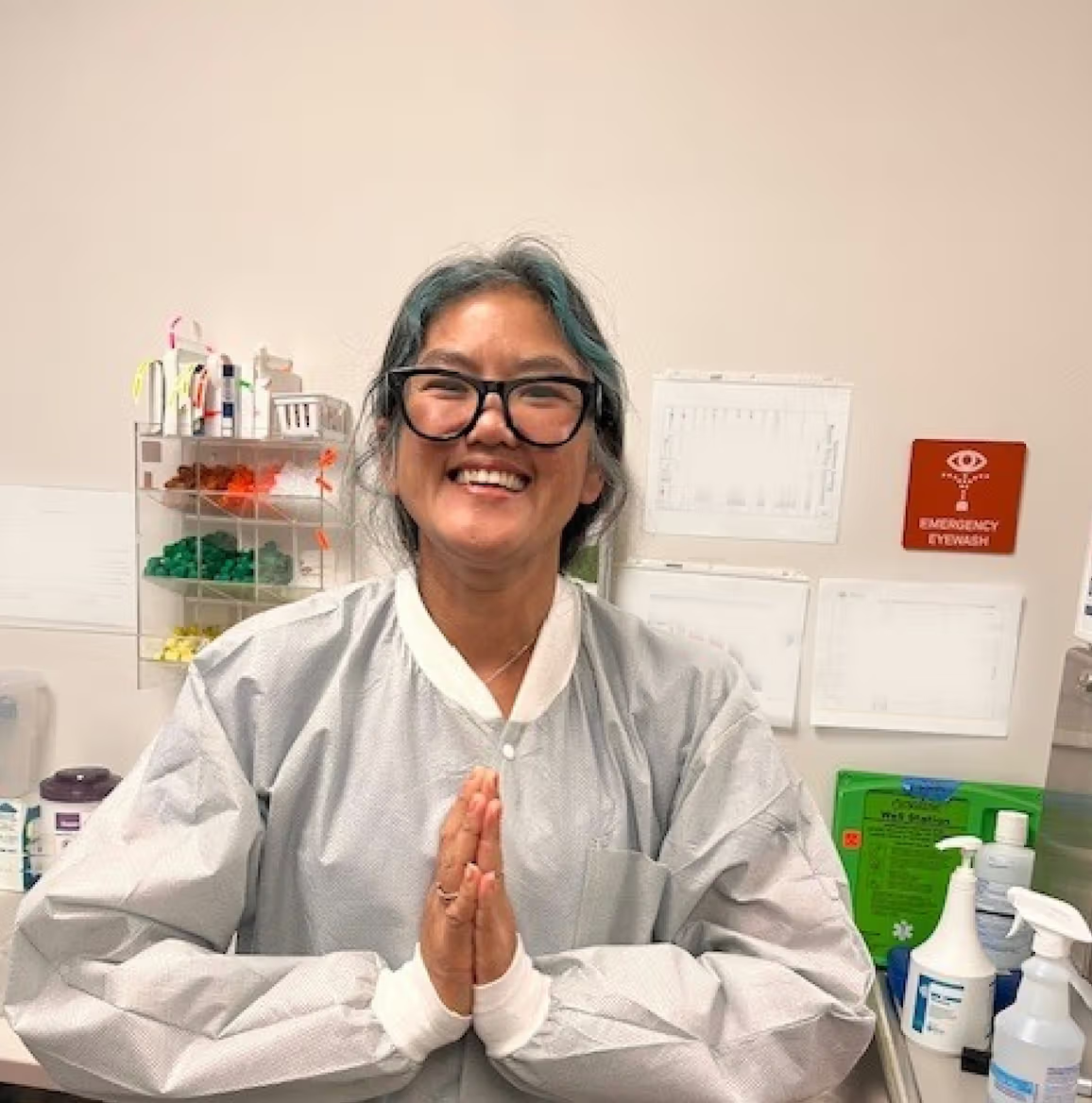
Function member: Kathleen (aka Kat)
-
Function focus: Phlebotomist for 18 years; with Quest for 3 years
35 patients a day
Kat has spent the past 18 years listening, calming nerves, and coaching anxious people through a moment that makes many of us a little uneasy.
But she's not a therapist.
She's a phlebotomist.
She draws blood for 35 to 40 people every single day at Quest in California.
It's a rural area she calls a "medical desert," where patients sometimes drive hours just to get basic care.
The pace is relentless. The stories are unforgettable.
In their veins
Many of her patients now are Function members.
People who thought they were fine. People who wanted to be proactive.
People who didn't even know there was something to be proactive about.
I know 20-plus patients who told me they didn't know they had autoimmune [issues] until they did this.
They often share what they discovered.
Sometimes it's confirmation that what they felt was real.
Sometimes it's a hidden issue they weren't aware of.
But wherever they are in their health journey, the path forward begins with the data in their veins.
The cheat sheet
After caring for thousands of patients, Kat has developed a rhythm. She knows what makes the difference between a smooth draw and a stressful one.
Her number one tip? Hydrate.
It plumps your veins and makes them easier to find. Many patients mistakenly think fasting means no water. It doesn't.
She also tells people to stay warm. Cold makes veins hide. So she recommends loose sleeves, warm layers, and cozy socks. If possible, using a heating pad on the draw site beforehand also helps.
Kat has seen many patients faint during a visit. She tells people to speak up and let the phlebotomist know. They can put an ice pack on your head or offer a reclining chair. Most labs have options to make a patient more comfortable. You just have to ask.
For people with small or sensitive veins, Kat suggests asking about a butterfly needle. It's more gentle, and while it's not always needed or available, it can make a real difference for the right patient.
Of course, she doesn’t forget to tell them to take a deep breath, and relax.
Kat often talks about lunch, weekend plans, or anything to get their mind off the process. If music helps, patients can listen to Function's “Chill lab visits” playlist on Spotify.
And if all else fails, they can just look away.
“Download it”
Kat is deeply invested in her patient’s experience because she knows how critical the data is.
She is a Function member herself and has seen her own results reveal things she didn't expect.
So for every person that hasn’t joined, she encourages them to sign up and get the app.
I tell my patients to download it. It's better to catch it early. It's an ounce of prevention.