
At a glance
-
Function member: Dony, 47
-
Function focus: Prostate
-
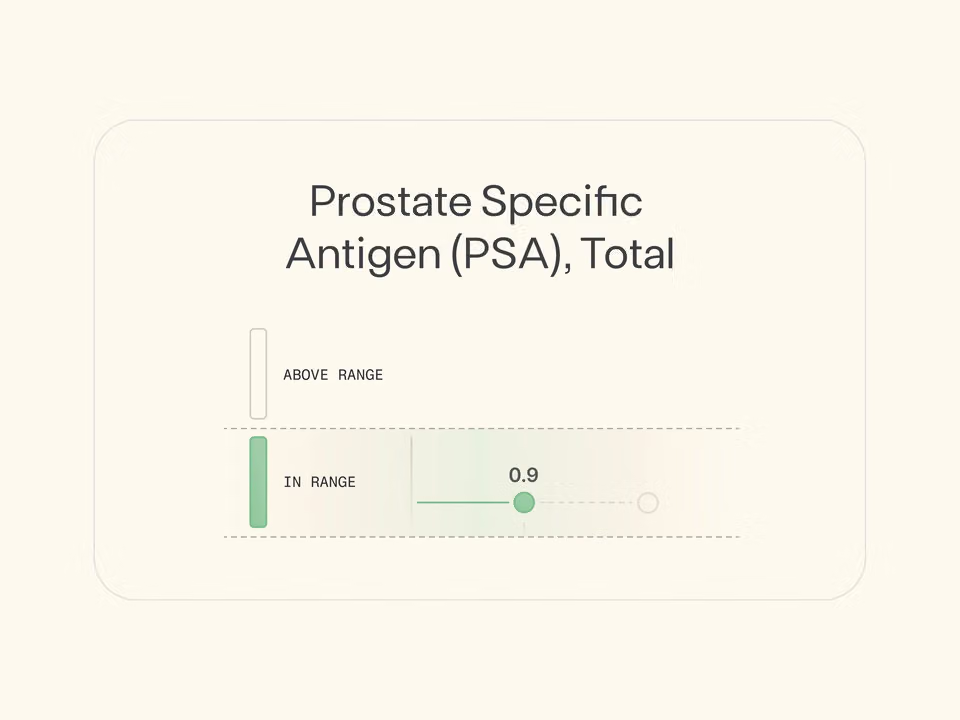
Biomarker imbalances: PSA
Dony's days were always packed.
Early mornings. Late commutes. Work deadlines and two young boys.
He did what most people do—showed up for his annual physical, got the standard blood panels, and walked out with a clean bill of health.
But his last visit came with a surprise.
Routine labs flagged elevated liver enzymes and C-reactive protein.
A follow-up ultrasound revealed mild fatty liver.
The voicemail from his doctor's office was brief: "Cut back on sugar. Exercise more."
At 45, Dony felt relieved. But one question lingered.
If I missed that, what else am I missing?
A podcast sparks action
On his long drives, Dony started listening to Dr. Mark Hyman's podcasts with episodes on metabolism, gut health, and inflammation.
One message stuck: No one's going to be more proactive about your health than you.
He knew he wanted the full picture to understand his data and next steps.
Then he learned about Function Health.
The biomarker he had never seen
When his first results came in, some biomarkers looked good. Others needed attention.
You're used to getting a pat on the back. This was different. It showed me things I'd never seen before.
His advanced lipid panel revealed many small, dense LDL particles. Elevated levels of LDL Small are a risk factor for heart attack and stroke. Standard cholesterol tests don't test for it.
But it was the Male Health panel that changed everything.
It showed his PSA (Prostate Specific Antigen) was elevated.
He wasn’t familiar with this biomarker, but the clinician notes explained: rising PSA could indicate prostate issues, including possible cancer.
Dony decided he would check it again in six months as an add-on to his Mid-Year Test.
PSA kept climbing
When the second test came back, the PSA had climbed again.
The clinician notes were clear: See a urologist.
This time, Dony didn't wait.
He booked an appointment with one of the top urologists in Pasadena.
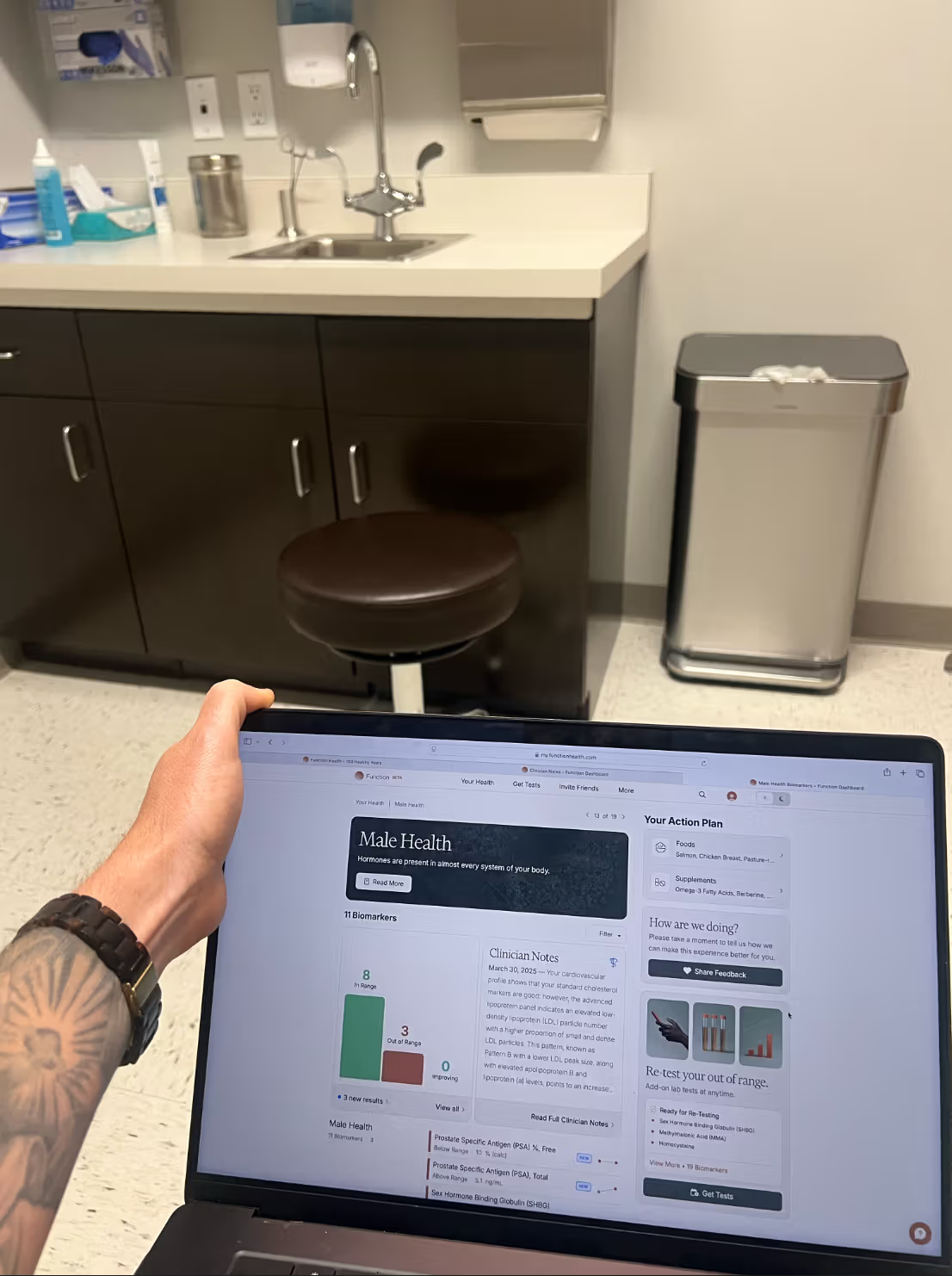
He walked into the doctor's office, pulled up the Function app on his laptop, and showed his PSA levels.
"The look on his face gave me concern," Dony said.
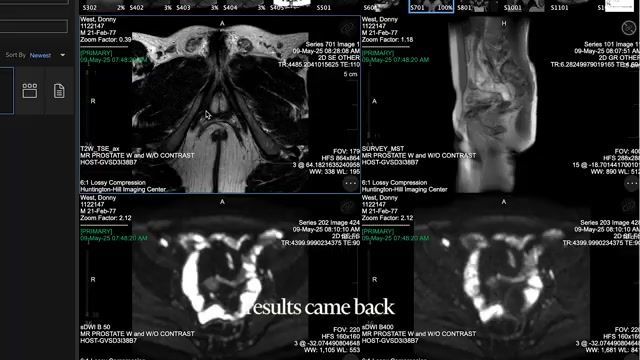
The urologist ordered an MRI.
It revealed a concerning spot on the right side of Dony's prostate.
A biopsy confirmed the diagnosis: Gleason 7 prostate cancer.
Dony sat with the news. It had all happened so fast.
He was 47. Standard screening doesn't start until 50.
I had a three-year jumpstart on something I had no idea existed.
The surgery that couldn’t wait
Later that month, Dony flew to Chicago to have his prostate surgically removed.
The pathology results showed a 3-centimeter tumor; more aggressive than expected.
The cancer hadn't spread beyond the prostate, but the tumor had been growing.
Waiting three more years—until standard screening age—could have meant a very different outcome.
The surgery was successful. The cancer was gone.
Spreading the word
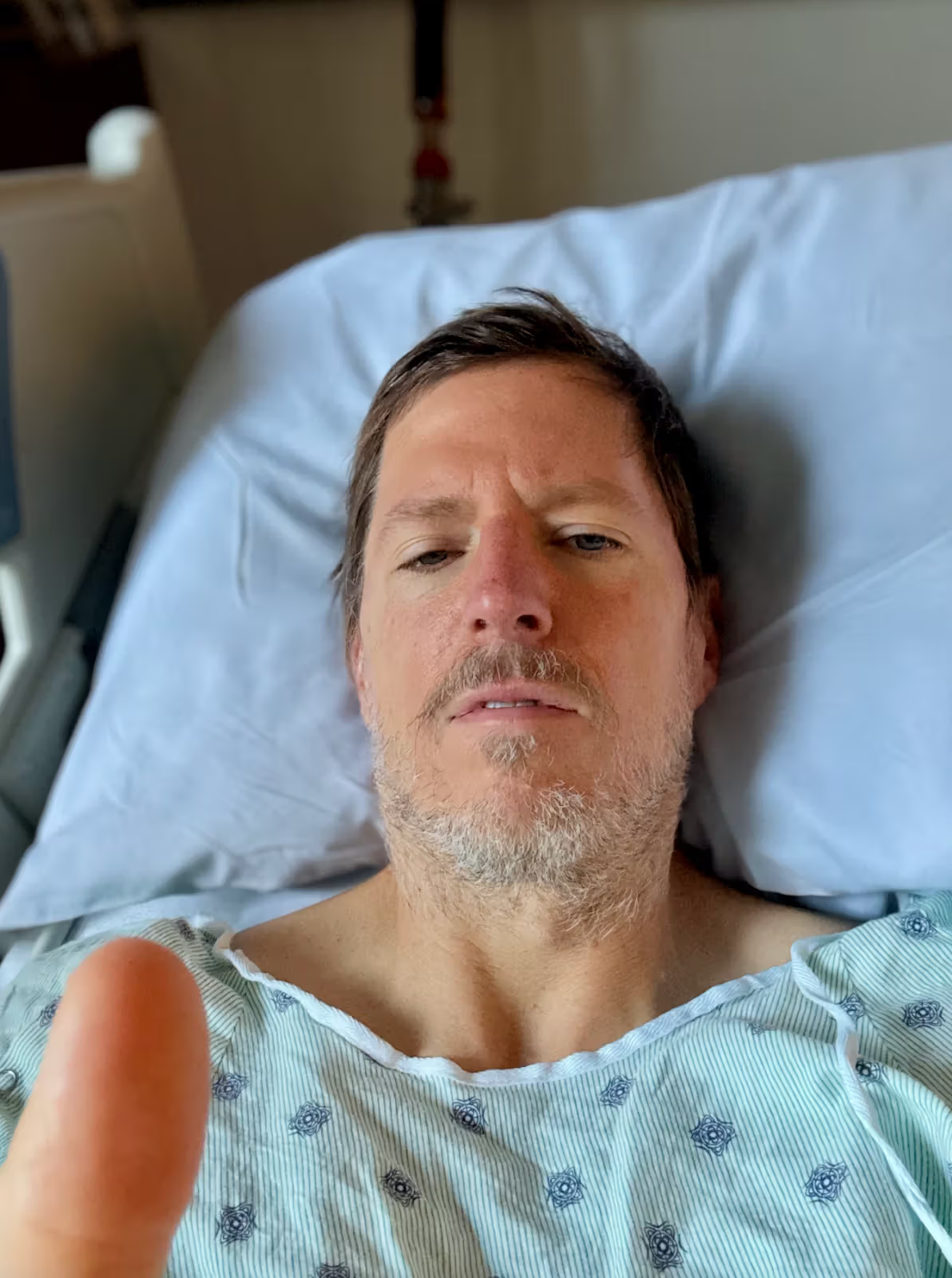
Today, Dony is recovering physically and emotionally.
I'm still trying to absorb this Twilight Zone episode I'm living. But the overriding feeling is gratitude.
Now, Dony runs daily, goes to the gym, shops at farmer’s markets, and keeps his diet clean.
He’s passing the discipline onto his two boys and telling everyone how knowing his data was potentially life-saving.
I've probably recruited 10 or 12 people since my experience. My boss. Friends. My inner circle. They've all signed up.
For Dony, this isn’t just about catching cancer early, but staying proactive before a crisis.
Function gave me data I never would have had. It gave me time. And for someone with two young boys who wants to be around to see them grow up—that's everything.